Universities in the Czech Republic
The Czech Republic is a popular location for international students due to the high-quality education and affordable cost of living. Prague has a long history of being a hub for art, philosophy, and academia, as the home of Charles University, the oldest university in central Europe.
How to study in the Czech Republic as an International Student
To move to the Czech Republic as an international student, you must already be admitted to a university. There are two types of visas granted for academic purposes. The first is the “Long-term Visa for the Purpose of Studies”. This visa is for full-time students in a Czech-accredited degree-awarding program from a public or private university.
The other is called the “99- Other Purposes” visa. This visa is for students enrolled in a program accredited in another country, such as the US, but that does not hold Czech accreditation.
Each of these visas grants students different rights as residents. The most crucial of these rights is the right to work part-time while studying. Taking this into consideration, the Skola database only contains universities that meet the requirements for the long-term student visa.
Why should you study in the Czech Republic?
The Pros and Cons of Studying in the Czech Republic
Pros
Affordable tuition and relatively low cost of living
Large international student population
Prague is considered to be very safe, with low violent crime rates
An efficient and extensive public transportation network
English is the primary language of many offices, making post-grad job hunting easier
Earning a Czech degree grants permanent access to the job market
Achievable savings requirement for visa qualification
Several paths to long-term residency are available for Americans
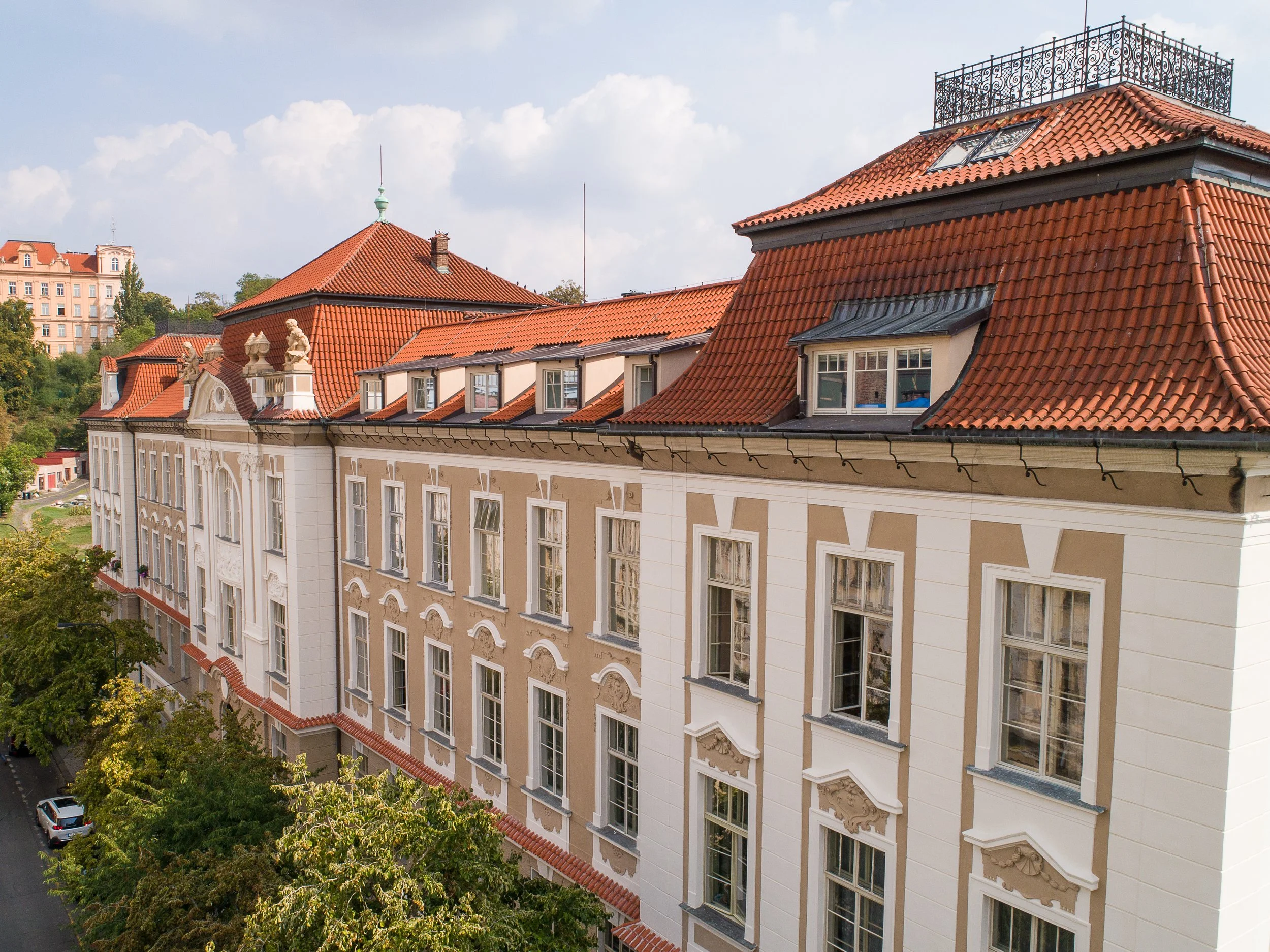
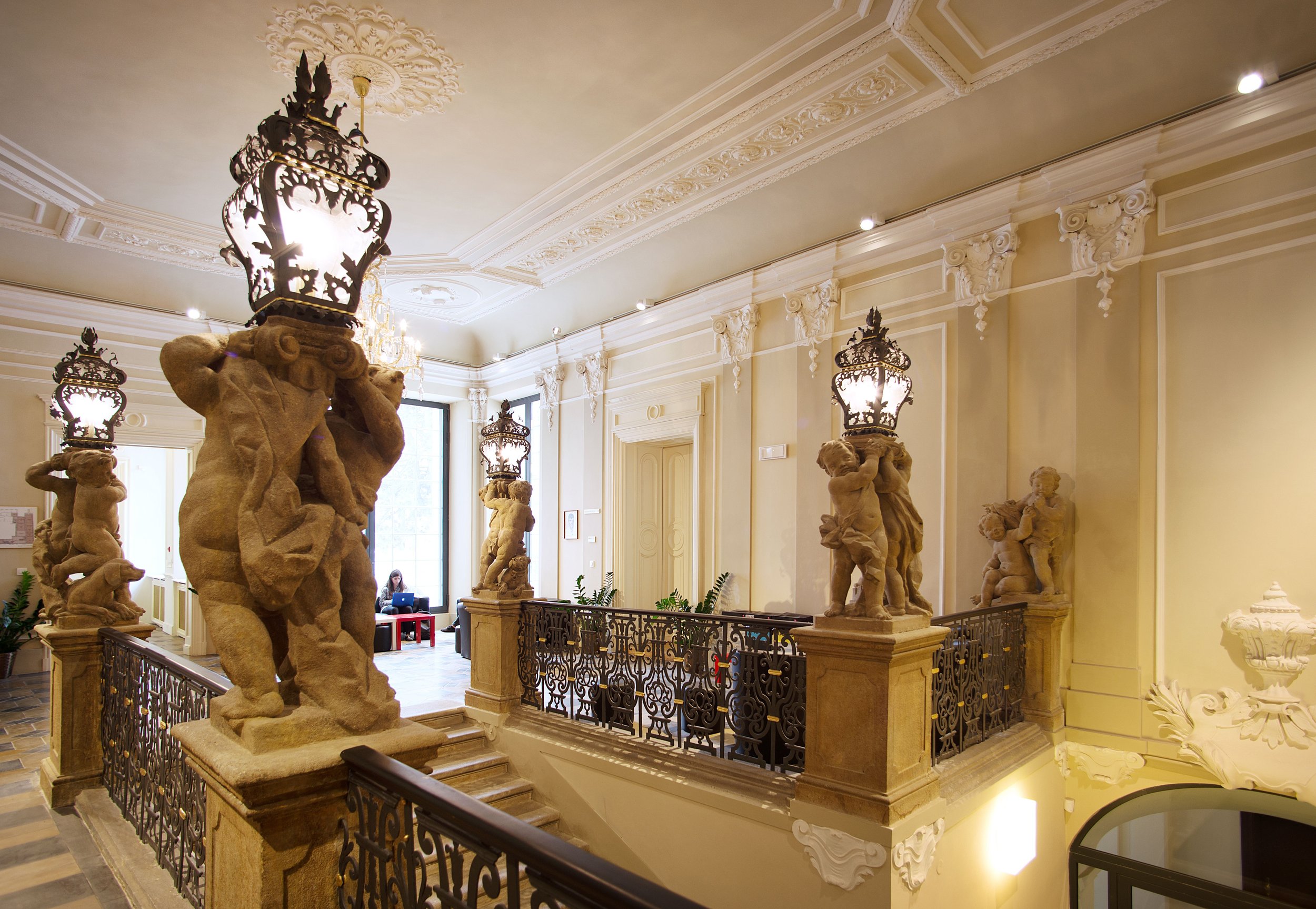
Architecture is so beautiful you’ll feel like you’re living in a fairytale
Cons
Czech is a very challenging language to learn
Czech citizenship is very hard to gain through naturalization
In Czech culture, people tend to be very stoic in public when interacting with strangers, which may be perceived as cold or standoffish from other cultures’ perspective
Nostrification (official recognition of a foreign diploma) has historically been a problem for bachelor's students at private universities. Applicants should check with admissions offices whether this will affect them
Student jobs often pay low wages, making it hard to fully support yourself with a part-time job alone
Who should study in the Czech Republic?
Deciding which country to study in can be a challenge. Students must balance their personal happiness, professional ambitions, academic opportunities, and financial standing to find a location that will offer them the opportunity to reach their long-term goals.
If you would like to dive deeper into which countries are uniquely suited to you and your lifestyle, consider booking a consultation with one of our experts or purchasing a personalized Go Euro Guide. We will work with you one-on-one to set you up for success and explore the best universities and locations for you and your future.
On a less individualized level, a good starting point for deciding which country would be best for you is to look at the largest and most critical industries that are located there. These industries are not only indicators of the types of jobs that will be available upon graduation, but also the subjects universities are likely to specialize in.
Key Industries in the Czech Republic
-
![Photo of a space shuttle orbiting Earth during sunrise, with the planet's curved horizon showing layers of orange, white, and blue atmosphere.]()
Space
Prague is home to the EU Agency for the Space Programme (EUSPA) and one of the European Space Agency’s Business Incubation Centres (ESA BIC). Together, EUSPA and ESA are the two most prominent organizations in Europe’s space sector.
Both agencies primarily operate in English.
-
![]()
Medical Tech & Pharmaceuticals
The Czech Republic established key heredity laws, invented the contact lens, and developed chemical compounds essential to many current anti-AIDS drugs, marking major advances in medicine and science.
-
![Four colorful glass objects: a fallen blue glass, a green glass goblet, and an orange glass vase on a white background.]()
Glass and Ceramics
The Czech ceramic industry has a unique and top-quality, handcrafted production tradition with companies specializing in chandeliers, drinking glasses, jewelry, and more.
Czech glassworks produce 2,000 tons of flat glass and 4 million bottles daily, with about 150 companies and 22,000+ employees (2014).
-
![A mid-century modern armchair with a red upholstered seat and backrest, wooden armrests, and angled wooden legs, placed on a wooden floor against a light blue wall.]()
Furniture
The crown in this sector is curved-wood furniture and design features like forging, clips, and lockers. Furniture producers in the region cooperate with designers and studios to supply furniture to cafés, restaurants, and hotels worldwide.
-
![A wind turbine standing tall in a field with green grass and trees under a partly cloudy sky.]()
Environmental Technologies
The Czech government's investment in environmental and energy research is on the rise. The Centre for Research and Utilisation of Renewable Energy in Brno, the SUSEN laboratory for nuclear energy research and the Institute of Physics of the Academy of Sciences of the Czech Republic are all major players in the industry.
-
![Close-up of a network switch with four Ethernet cables plugged in, mounted inside a metal server rack.]()
ICT
Brno, in the southern region of the country and home to Masaryk University, is known as the “Czech Silicon Valley.” The Czech Republic has become a very desirable and sought-after spot for foreign investors in this sector. Avast Software, Microsoft, IBM, Cisco, and Oracle are some of the biggest employers in the sector.






Discover more about studying in the Czech Republic