Universities in Belgium
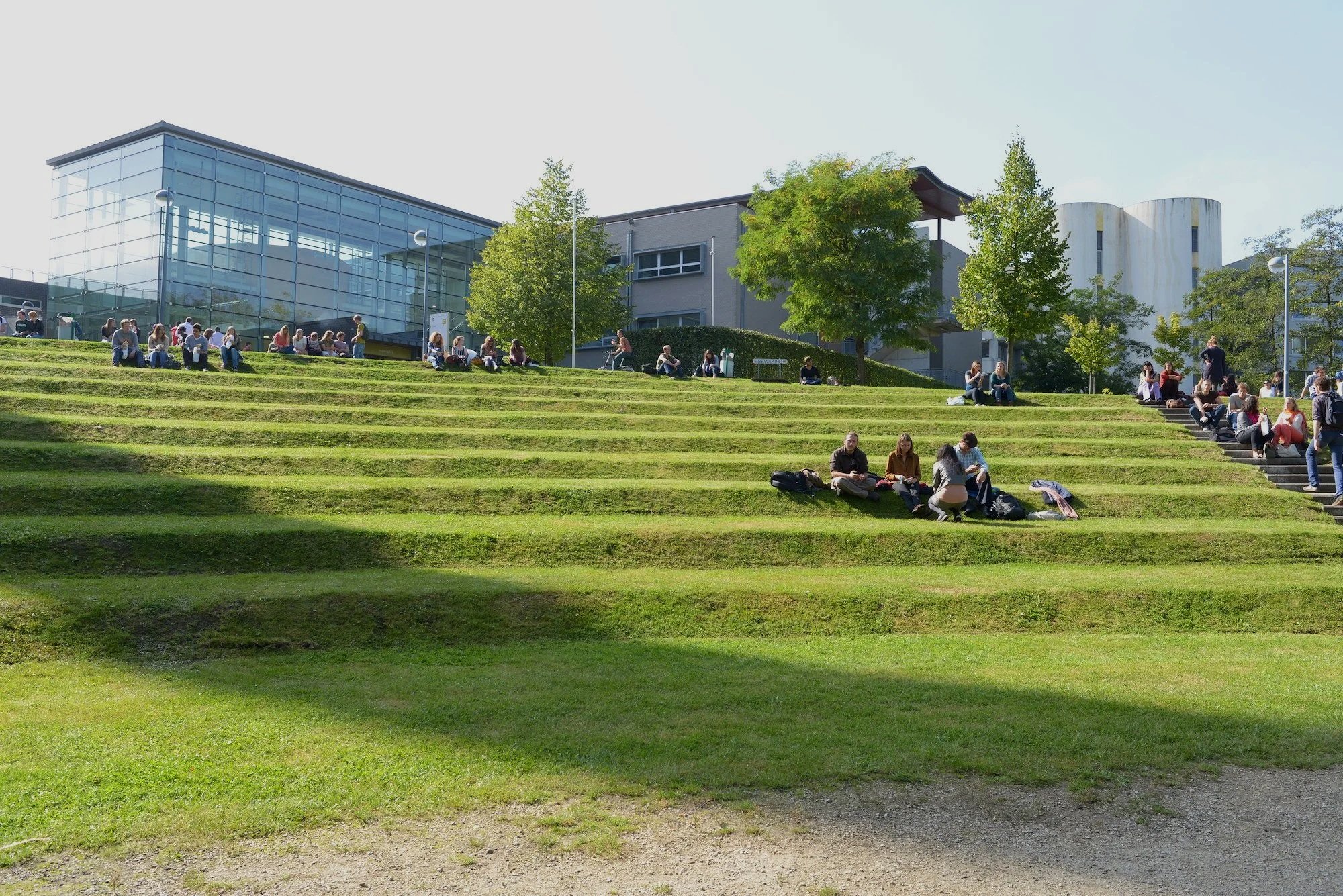
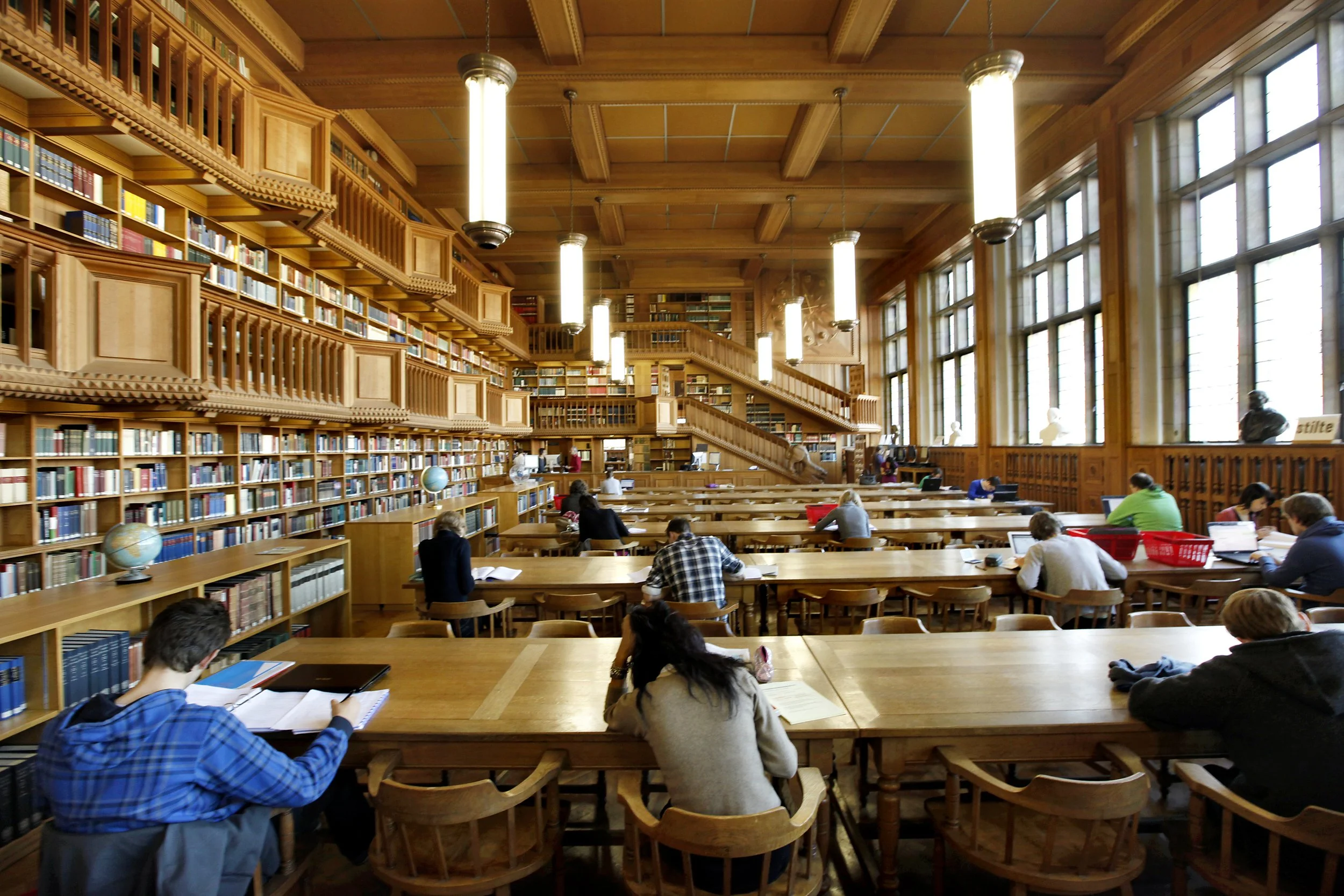
Belgium has a vibrant and diverse student culture. University cities such as Leuven, Ghent, Brussels, and Liège are lively hubs of social and cultural life. Internationalisation is strong: in total, Belgium hosts over 500,000 higher-education students, with around 55,000 international students, making up close to 10% of the student body according to StudyInBelgium.
KU Leuven, the country’s largest university, has more than 65,000 students, about 1 in 5 of them international, and consistently ranks among the top 100 globally. In Brussels, the Vrije Universiteit Brussel (VUB) and the Université Libre de Bruxelles (ULB) stand out as cosmopolitan universities, with over 20% international enrolment. Both are deeply engaged in research and offer numerous English-taught programmes, especially at Master’s level. Belgium is also home to the prestigious College of Europe in Bruges, a postgraduate institute focused on European affairs, which welcomes around 440 students from 50+ nationalities each year.
Universities in Belgium are characterised by their multilingual environment (Dutch, French, German, and English), research excellence, and strong international outlook. Many programmes, particularly at Master’s level, are fully taught in English, attracting students from across the globe.
Why should you study in Belgium?
The Pros and Cons of Studying in Belgium
Pros
High quality universities with strong international rankings and research reputation
English is widely spoken.
Multicultural environment (POV three national languages)
Students are permitted to work part-time while studying
Well-connected country, easy to travel aborad in Europe
Cons
It can be difficult to get a student job without speaking French or Dutch
The administrative process for permits and registration can be slow
Rainy, grey weather can feel gloomy, especially in winter
Limited housing availability, especially in student hubs like Leuven or Ghent
Who should study in Belgium?
Deciding which country to study in can be a challenge. Students must balance their personal happiness, professional ambitions, academic opportunities, and financial standing to find a location which can grant them the ability to reach their long term goals.
If you would like to dive deeper into which countries are uniquely suited to you and your lifestyle, consider booking a consultation with one of our experts or purchasing a personalized Go Euro Guide. We will work with you one-on-one to set you up for success and explore the best universities and locations for you and your future.
On a less individualized level, a good starting point for deciding what country would be best for you is to look at the largest and most critical industries that are located there. These industries are not only indicators of what types of jobs will be available upon graduation, but also what subjects universities will specialize in.
How to study in Belguim as an International Student
To move to Belgium and qualify for a student visa (long-stay visa D), you must be admitted to a recognized higher education institution and enrolled in a full-time degree-awarding program. In most cases, Bachelor’s, Master’s, and PhD programs at universities and university colleges meet this requirement. However, short courses or language courses alone do not qualify international students for a residence permit, unless they are part of a recognised preparatory program leading to a degree.
The Skola university database only includes universities which offer degrees that meet this requirement.
Key Industries in Belgium
-
![European Parliament building with flags, glass windows, and blue sky]()
Diplomacy & Policy
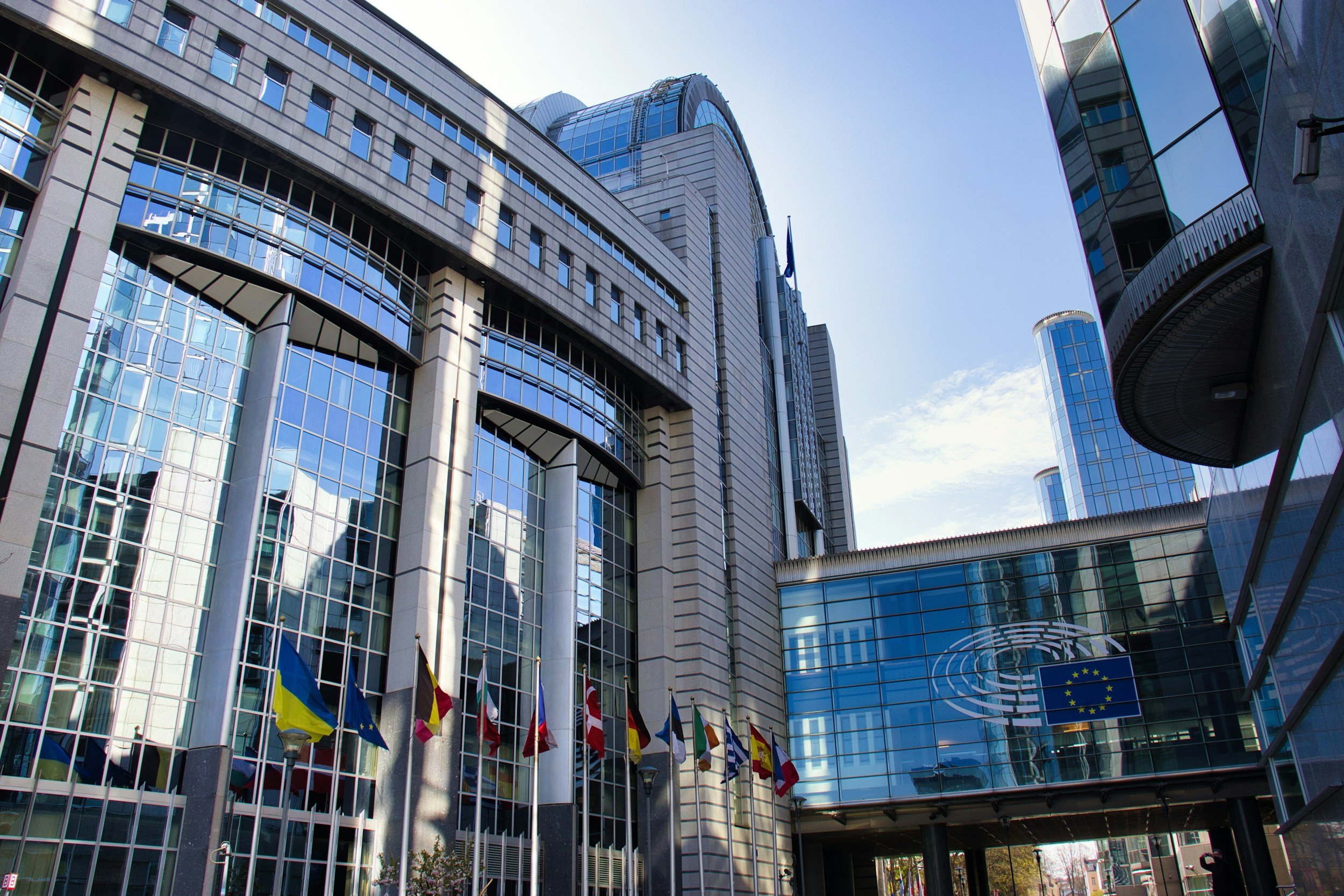
Brussels is often called the “capital of Europe.” It hosts the European Union institutions, NATO headquarters, and hundreds of international organisations, making diplomacy, policy, and public affairs a defining industry. This attracts thousands of diplomats, lobbyists, and NGOs, creating strong demand for legal, political, and advisory services.
-
![A woman with light brown hair tied back with a pink scrunchie, sitting at a desk in front of multiple computer monitors in an office. A red poster on the wall reads 'KEEP CALM AND CARRY'.]()
Tech & Digital
With hubs like Brussels and Ghent, Belgium has a thriving startup and digital ecosystem. It excels in fintech, AI, healthtech, and cybersecurity, supported by strong public funding and multilingual talent.
-
![A laboratory pipette dispensing purple liquid into a tray with multiple small test tubes.]()
Pharmaceuticals & Life Sciences
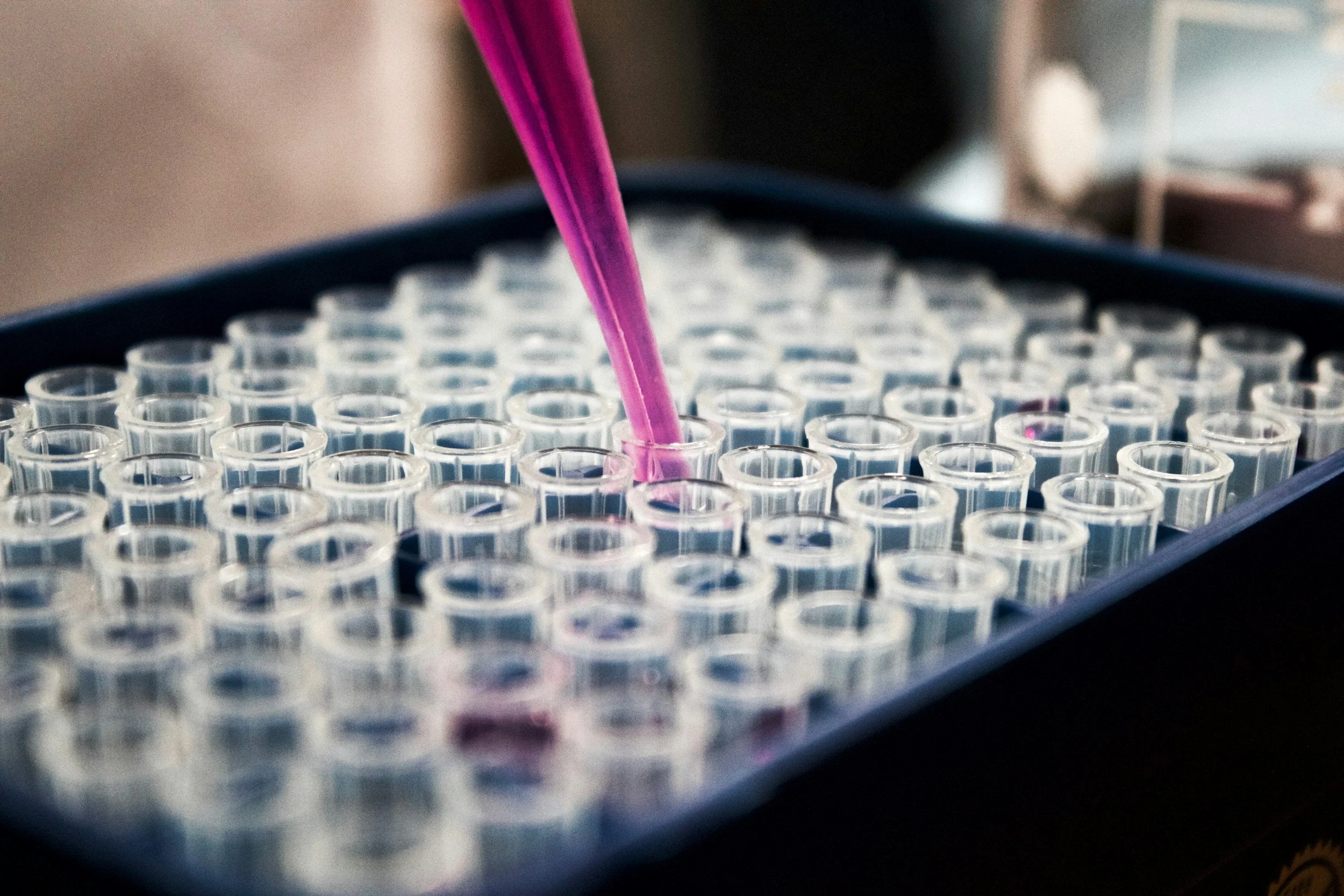
Belgium is a European leader in biotech and pharma, hosting major players like GSK and Pfizer. It is a key producer of vaccines and biopharmaceuticals, with cutting-edge R&D and public-private partnerships.
-
![A large cruise ship sailing in a body of water, with a smaller cargo ship nearby carrying stacked containers. The background shows forested hills and mountains.]()
Transport & Logistics
Thanks to its central location and world-class infrastructure, Belgium is a logistics hub. The Port of Antwerp-Bruges and Brussels Airport play key roles in global trade and pharma logistics.
-
![Aerial view of a patchwork of agricultural fields with several wind turbines casting long shadows.]()
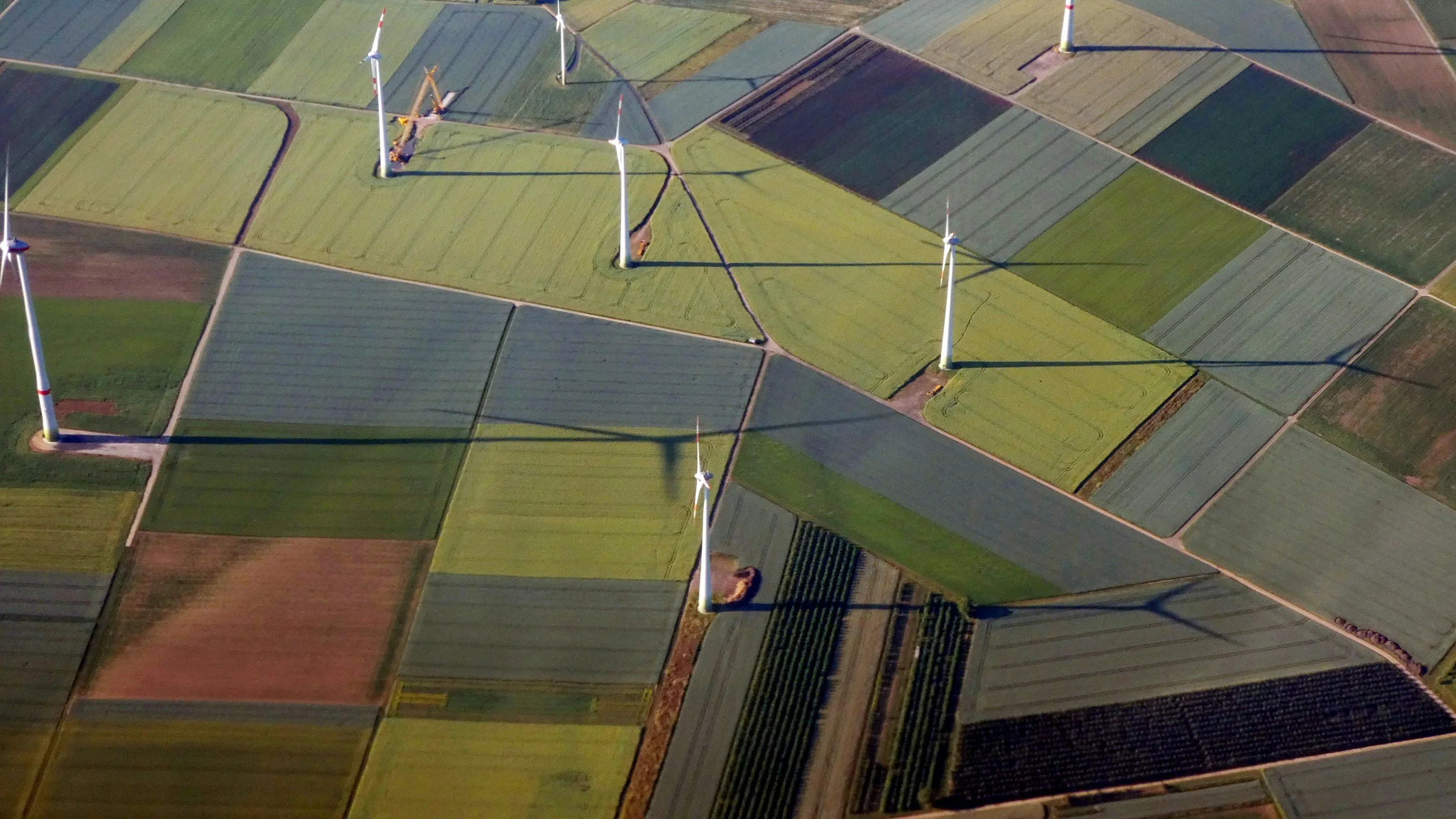
Green & Renewable Energy
Belgium is investing heavily in offshore wind, hydrogen, and the circular economy. The North Sea and regional programmes support its shift to sustainable energy.
-
![Industrial refinery with tall distillation tower, pipes, and staircases, against a cloudy sky.]()
Chemicals & Petrochemicals
Centered around Antwerp, Belgium has one of the world’s largest chemical clusters. The sector drives exports in industrial, specialty, and sustainable chemicals.
-
![An aerial view of a farm field with a red tractor and a green harvester, harvesting crops in a large, open field.]()
Agri-Food Industry
Belgium is known for beer, chocolate, and processed foods. It is also a leading exporter of frozen vegetables and dairy, backed by innovative food tech.




Discover more about studying in Belgium