Universities in the Netherlands
The Netherlands is widely known for having some of the highest-quality English-taught education in Europe. It is also one of the countries with the highest concentration of international students. According to the Netherlands Central Bureau for Statistics, in 2022, 40% of first-year bachelor students were international students.
With non-Dutch students making up a large percentage of the student population, being an international student in the Netherlands means that there are plenty of programs at the Master’s and Bachelor’s levels in almost every field of study. On the other hand, partly due to the massive demand from international students, finding student accommodation in the Netherlands is notoriously difficult.
Highlighted Universities

How to study in the Netherlands as an International Student
To move to the Netherlands, you must be conditionally admitted as a full-time student to an accredited study program in a university or institute of higher professional education. To be allowed to continue your studies as an international student, you must make enough progress in your studies every year. This means that you must obtain at least 50% of the credits for each study year.
Your program must be accredited by either the Accreditation Organisation of the Netherlands and Flanders (NVAO) or the European Quality Assurance Register for Higher Education (EQAR). Moreover, your educational institution must be a recognized sponsor by the IND.
The Skola database only contains universities that meet these requirements.
Why choose the Netherlands?
The Pros and Cons of Studying in The Netherlands
Pros
Multiple top globally ranked research universities.
Wide selection of programs taught in English.
Large international student population.
English is so widely spoken it is possible to find student jobs that don’t require Dutch to be spoken.
US citizens have multiple routes to acquire a visa after graduation including a job seeking visa and the Dutch American Friendship Treaty (DAFT) for starting a business.


Cons
Student visa restrictions can make finding part-time work challenging.
Dutch university tuition is considered expensive by European standards.
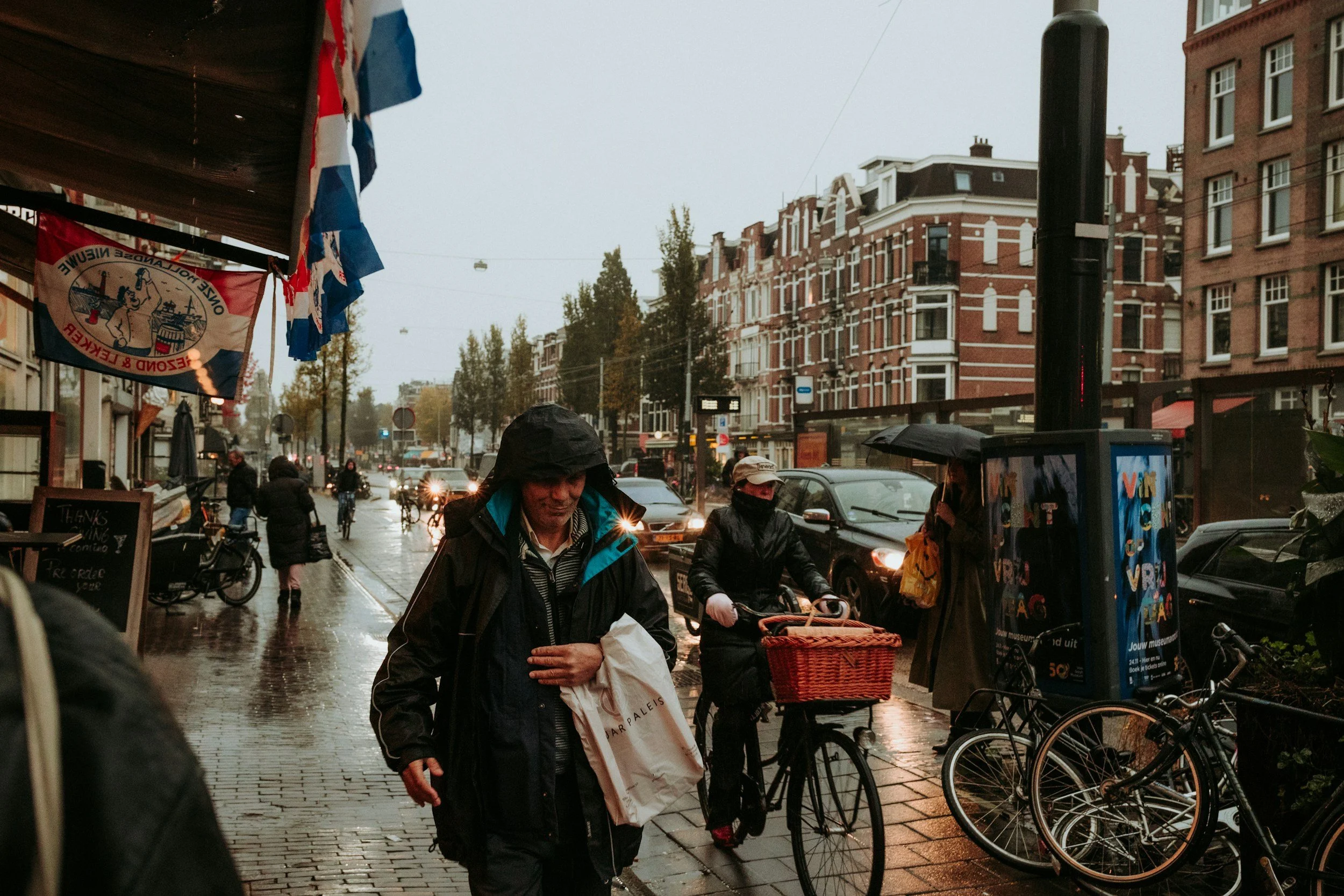
The number of rainy days in the Netherlands is 30-40 days higher than the continental average as of 2024.
The housing crisis makes finding accommodation challenging and expensive. As a result, online scams have become common.
In recent years, there has been backlash against international students leading the government to consider capping the number programs taught in English.
Who should study in the Netherlands?
Deciding which country to study in can be a challenge. Students must balance their personal happiness, professional ambitions, academic opportunities, and financial stability to find a location that enables them to achieve their long-term goals.
If you would like to explore which countries are uniquely suited to you and your lifestyle, consider booking a consultation with one of our experts or purchasing a personalized Go Euro Guide. We will work with you one-on-one to set you up for success and explore the best universities and locations for you and your future.
On a less individualized level, a good starting point for deciding which country would be best for you is to look at the largest and most critical industries that are located there. These industries are not only indicators of the types of jobs that will be available upon graduation, but also the subjects universities will specialize in.
Key Industries in the Netherlands
-
![A large building with many windows and a series of national flags outside, with trees and a clear sky above.]()
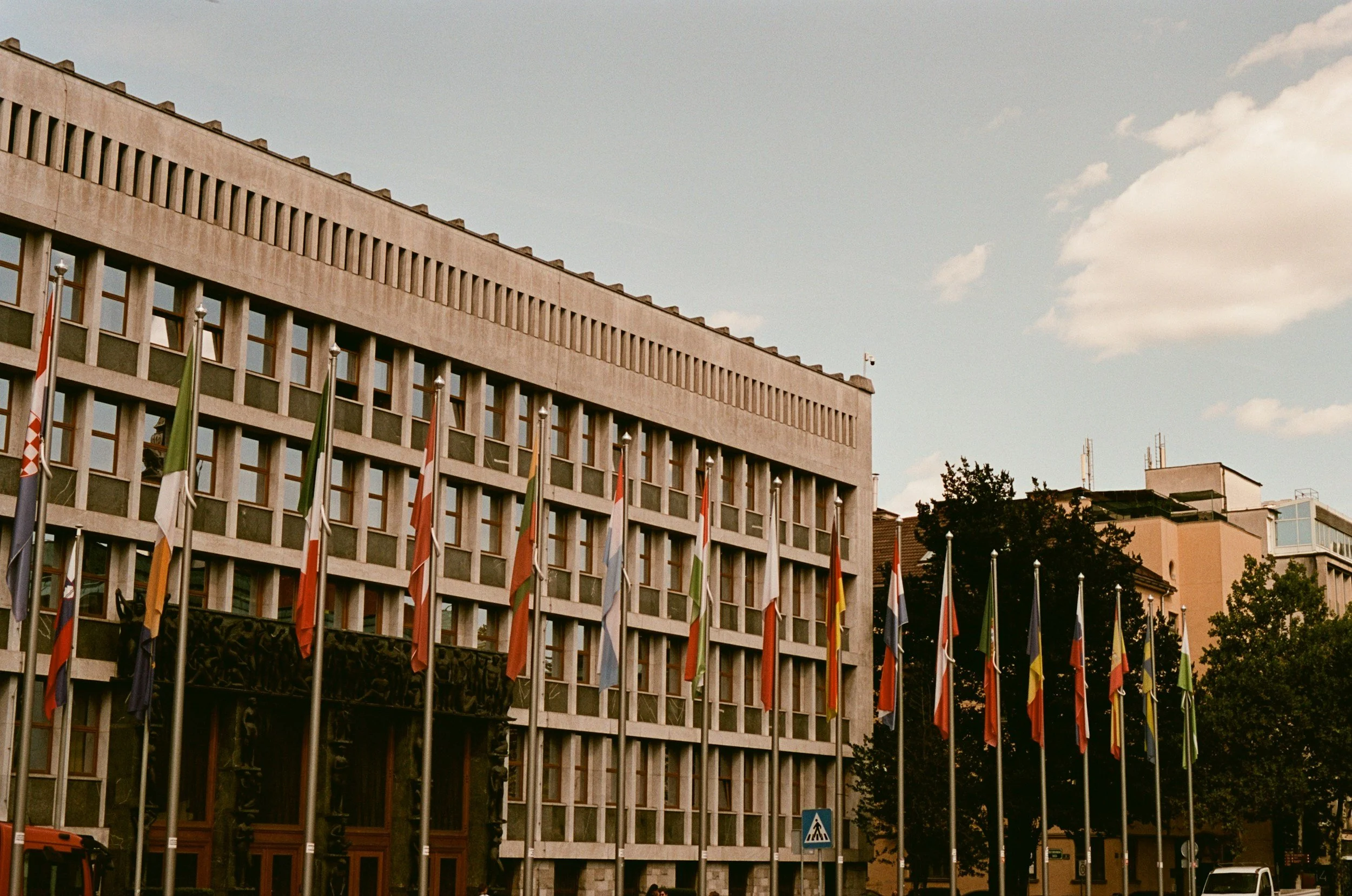
Peace, Justice & Security
The Hague is the legal capital of the world and the home of the International Court of Justice, the International Criminal Court, and the Organization for the Prohibition of Chemical Weapons.
-
![A rural landscape featuring a windmill in the background, a grassy field with sheep grazing, and a blue sky with some clouds.]()
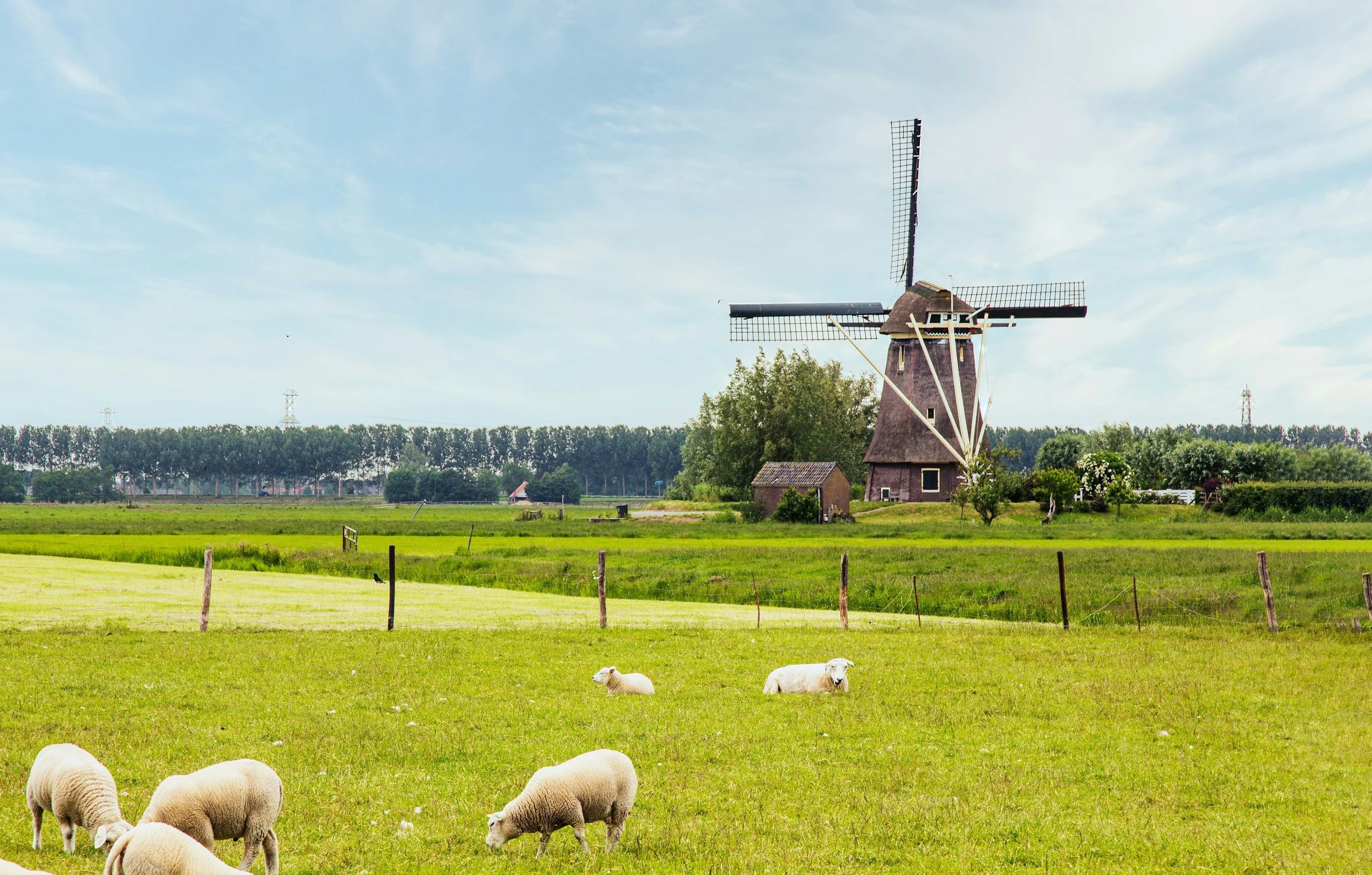
Agriculture & Food
The Netherlands is the second-largest exporter of food in the world.
-
![Three traditional Dutch windmills beside a body of water with wooden dock posts, under a partly cloudy sky.]()
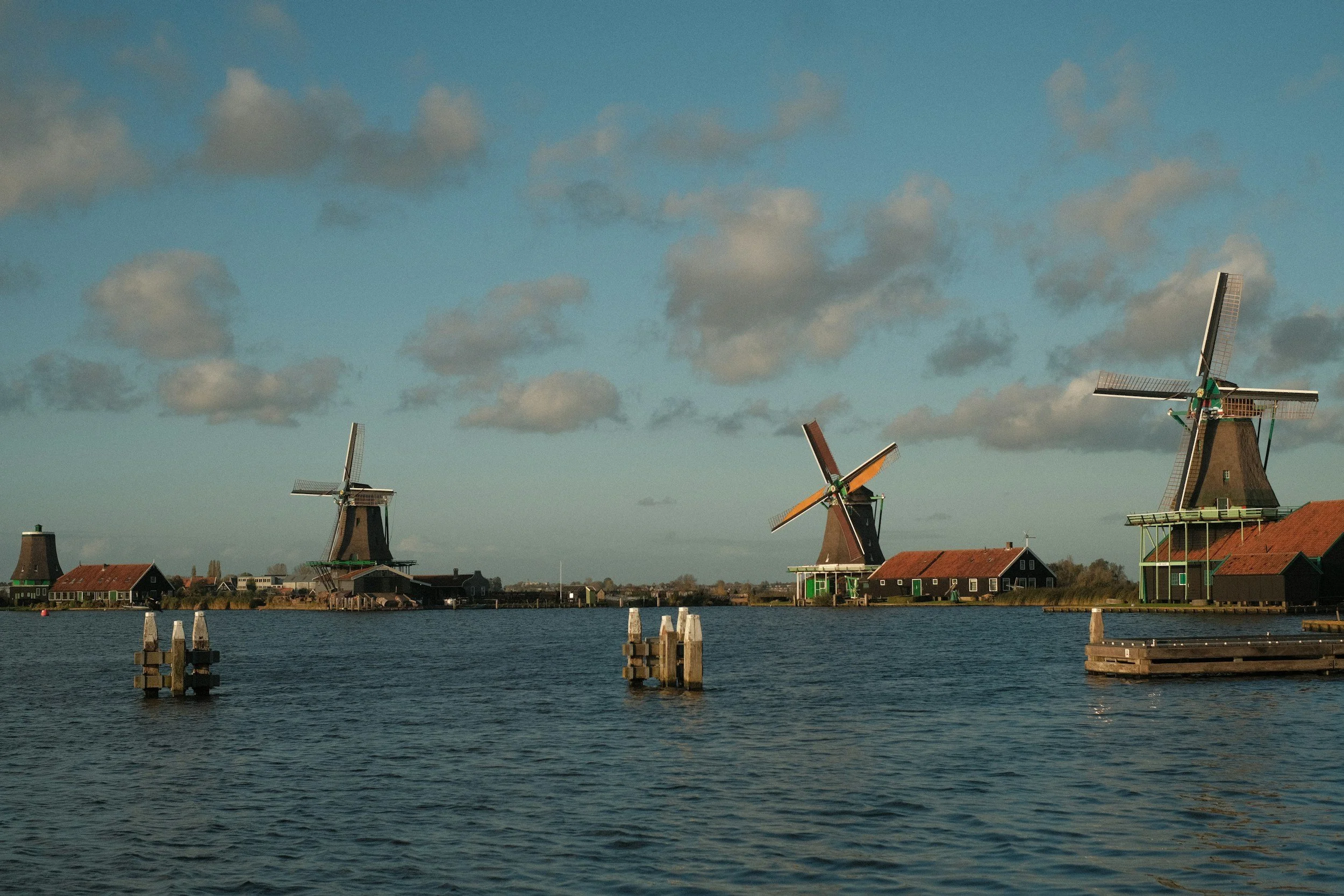
Water
The Netherlands translates to the “low lands” named for its low elevation close to sea level. This drives innovation in protection against rising sea levels, clean water solutions, and water management.
-
![Several test tubes filled with colorful liquids are arranged on a transparent rack, with some test tubes lying on their sides in the foreground.]()
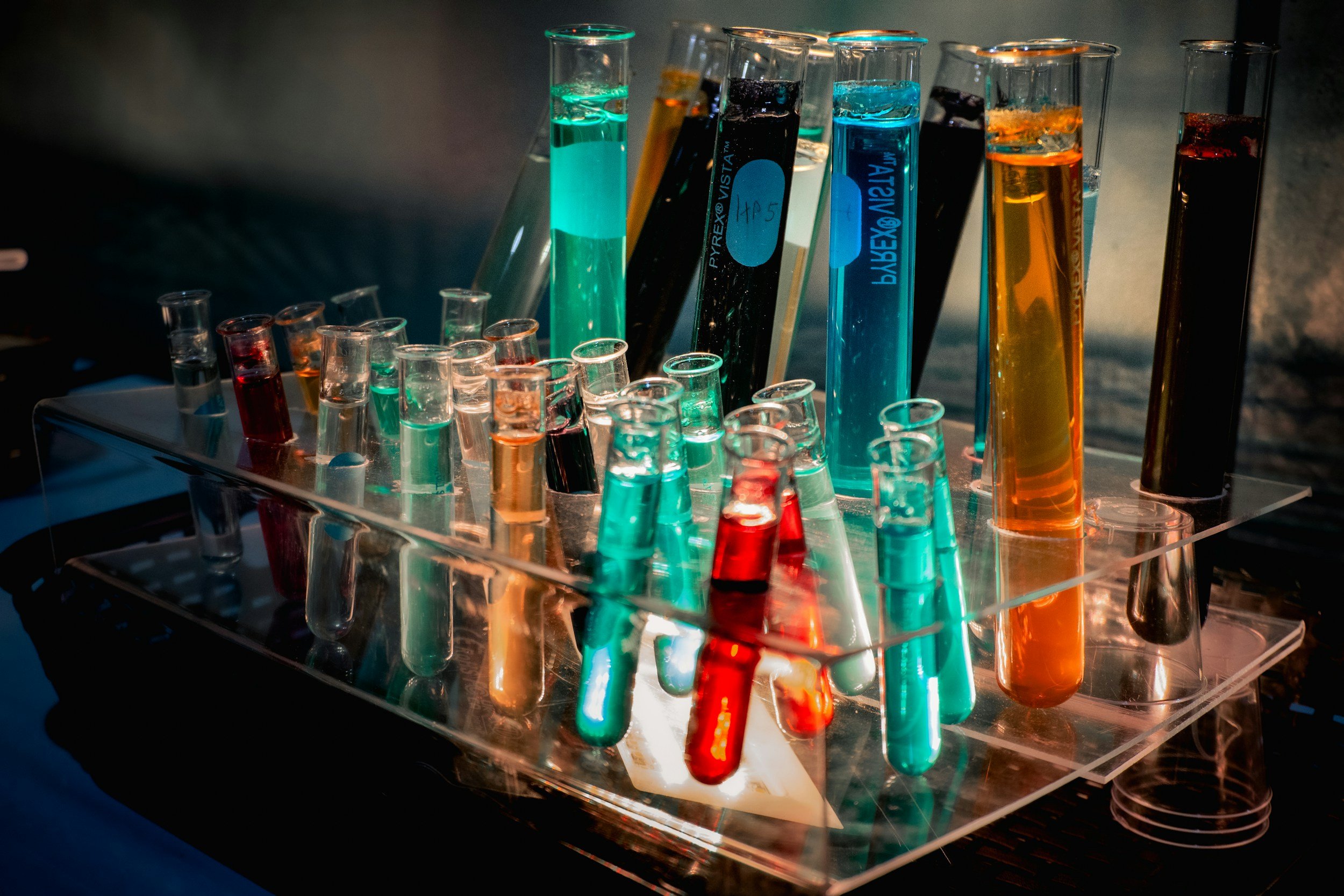
Chemistry
The chemical industry is one of the country's leading economic sectors aiming to tackle challenges in climate, food production, circularity, mobility, and health.
-
![People viewing and photographing a large painting in an art gallery, with ornate architectural details and gold accents.]()
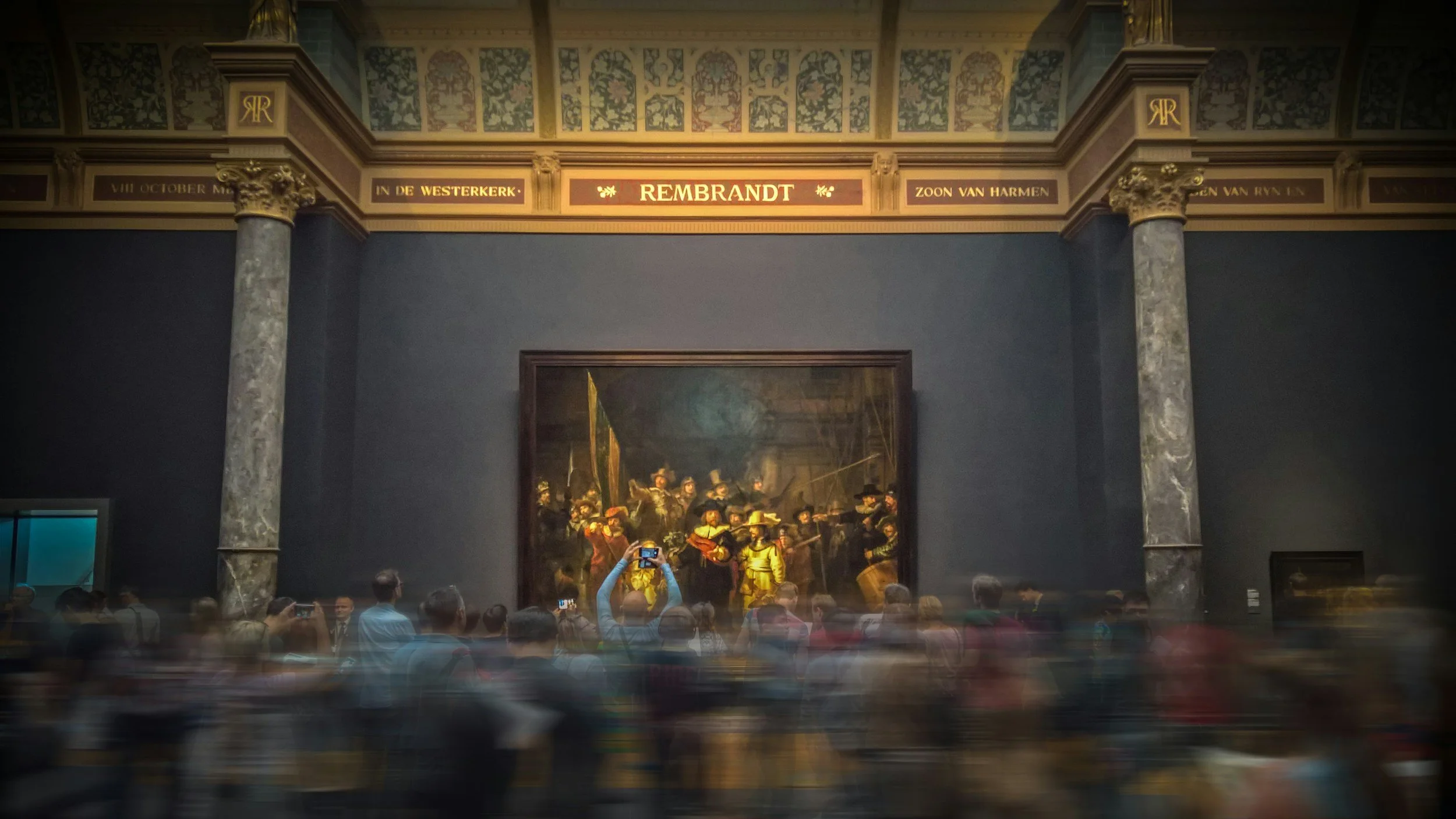
Creative Industries & Tourism
The Netherlands has a rich history of art and creativity dating back to the Dutch Masters, contributing to the draw of about 20 million international tourists annually.
-
![Stack of colorful shipping containers on a dock by a body of water under a partly cloudy sky.]()
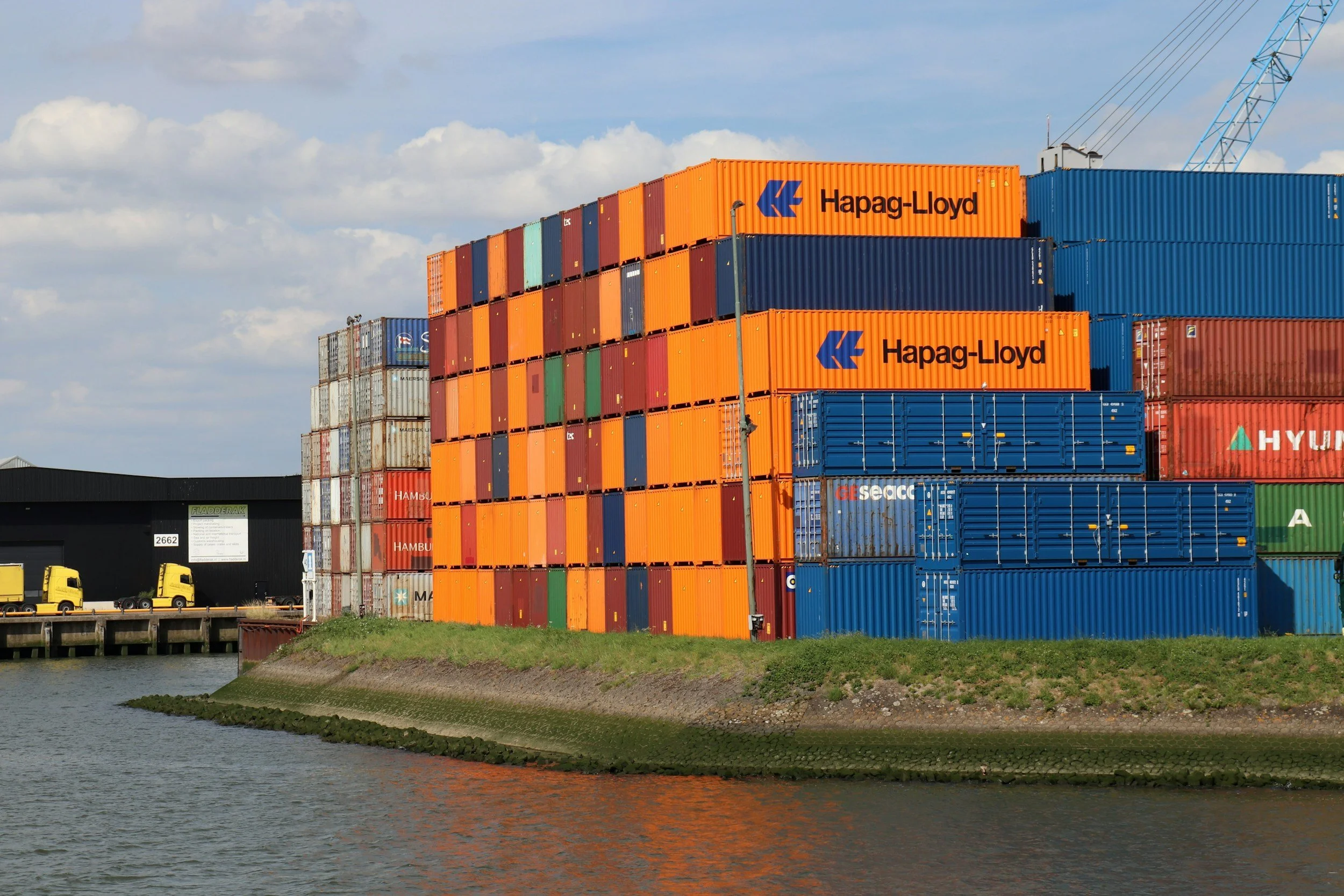
Logistics
The Netherlands is located in a strategic position within Europe to serve as a crossroads to facilitate the flow of goods throughout the continent by land, sea, and air.
-
![A field of red flowers with two large white wind turbines in the background under a clear blue sky.]()
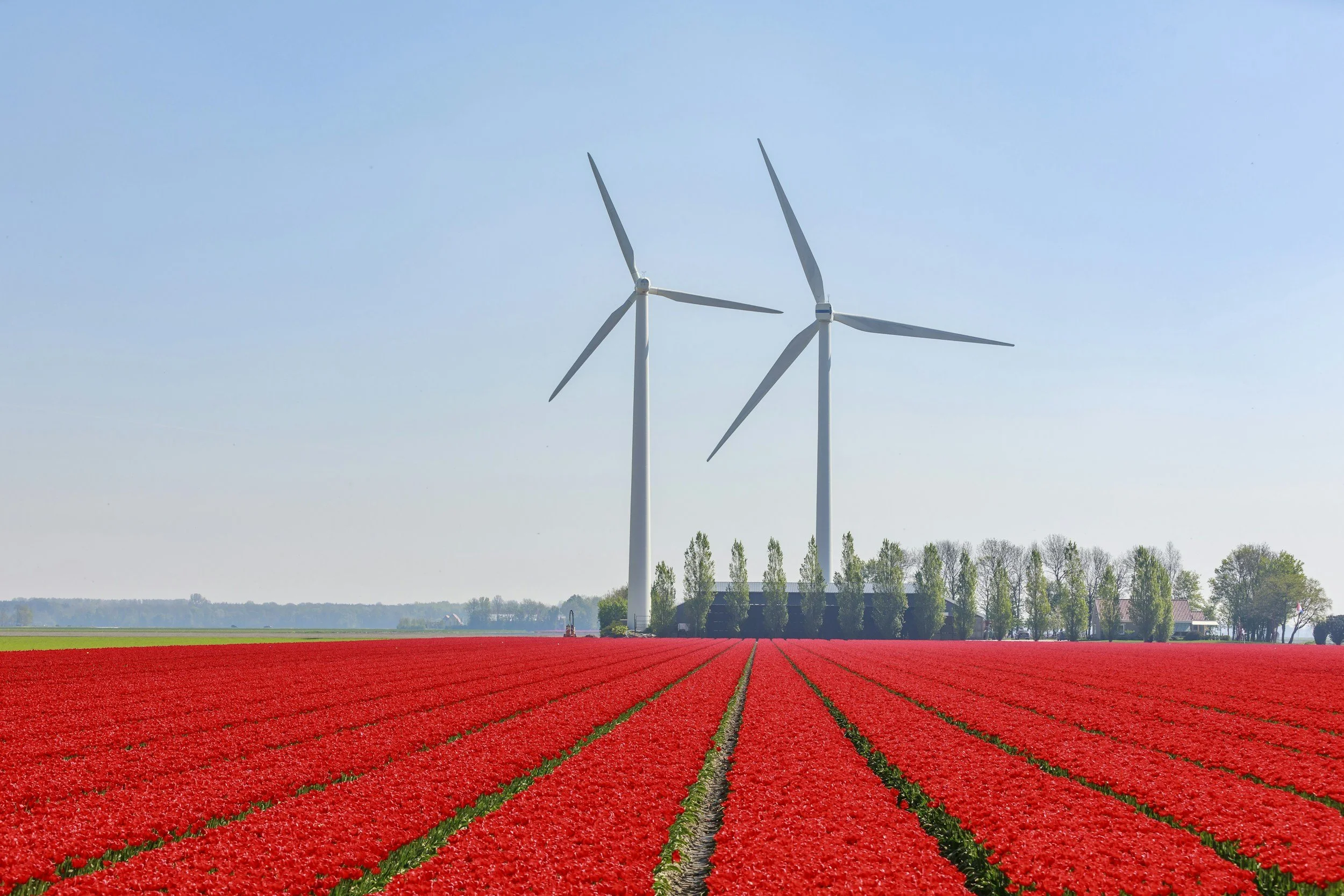
Energy
The Netherlands is currently prioritizing working towards a decentralized energy supply based on renewable resources.
-
![A close-up of a colorful electronic circuit board with various chips, resistors, capacitors, and connectors.]()
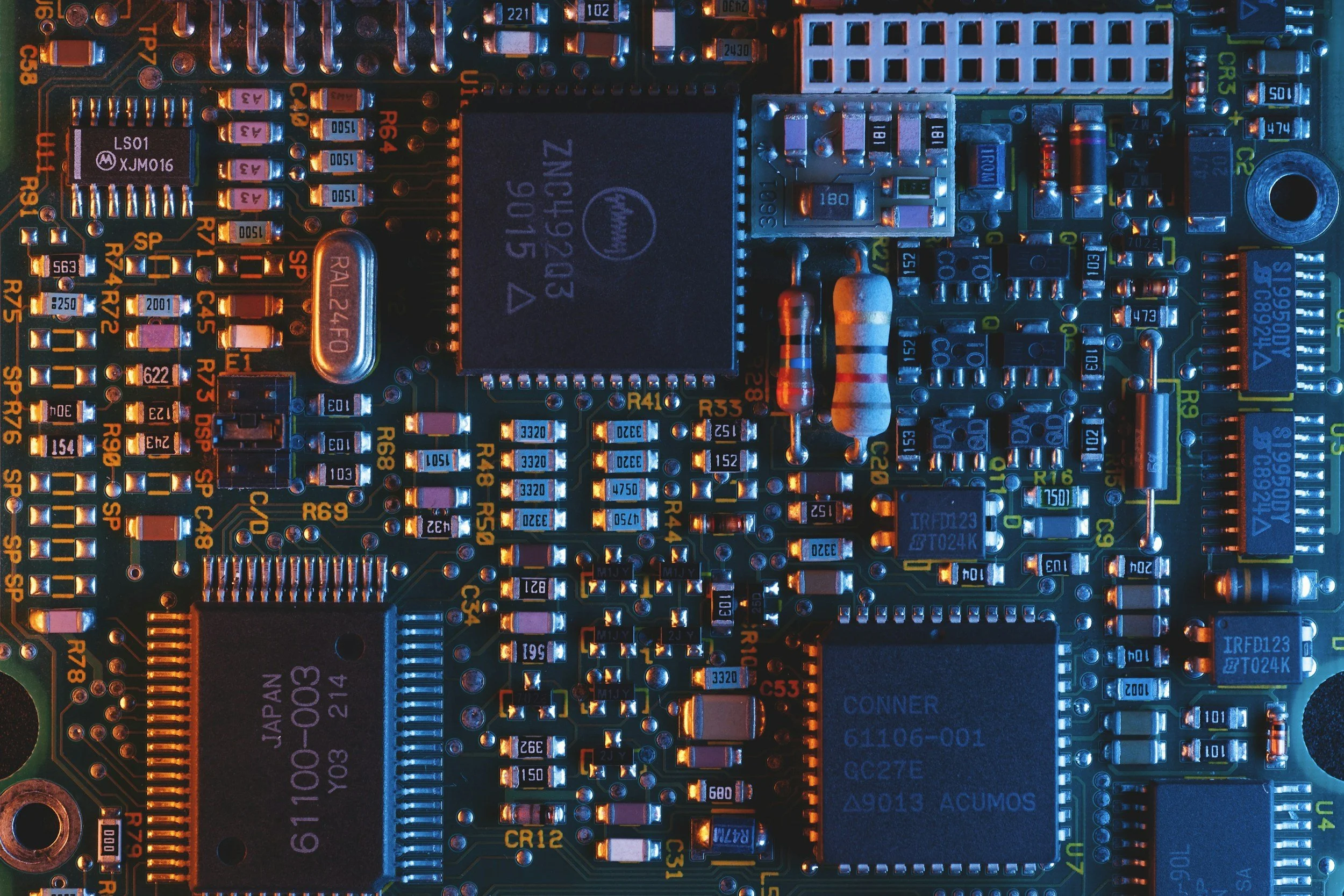
High Tech Systems & Materials
The microscope, Bluetooth, and Wi-Fi are all the result of Dutch innovation.
-
![A digital illustration of a cluster of abstract purple and pink textured flowers against a light pink background.]()
Life Science & Health
The scientific innovations of the Dutch expanded into the health industry, including developing the first artificial kidney and the discovery of immunotherapy.
Discover more about studying in the Netherlands